


Alexithymia: Understanding the Condition That Makes Emotions Hard to Identify

Updated: Jul 22
Many people occasionally struggle to explain how they feel. However, for some individuals, identifying and describing emotions can be consistently difficult. This experience is known as alexithymia, a psychological trait that affects how people recognise, process, and communicate their emotions.
Interest in alexithymia has grown significantly in recent years, particularly in discussions around emotional awareness, mental health, autism, and brain injury. Understanding the signs and causes of alexithymia can help individuals, families, and professionals recognise why emotional communication can sometimes feel challenging.

What Is Alexithymia?
Alexithymia is a term used in psychology to describe a difficulty identifying and expressing emotions. The word comes from Greek and literally means “no words for emotions.”
People with alexithymia often struggle to:
Identify their own emotions
Describe feelings in words
Differentiate between emotional feelings and physical sensations
Understand the emotional experiences of themselves or others
Someone experiencing alexithymia may notice physical symptoms such as tension, fatigue, or stomach discomfort, but may not recognise these sensations as emotions like anxiety, sadness, or frustration.
Because of this, emotions may feel confusing, vague, or overwhelming.
Signs and Symptoms of Alexithymia
Alexithymia can present in different ways, but several common symptoms of alexithymia are often reported.
Difficulty Identifying Emotions
People with alexithymia may struggle to answer simple questions such as “How do you feel?” They may sense that something is wrong but cannot clearly identify the emotion involved.

Limited Emotional Vocabulary
Instead of describing feelings in detail, individuals might use very general terms such as “fine,” “bad,” or “stressed.”
Describing Feelings as Physical Symptoms
Because emotional awareness is limited, emotions may be expressed through physical sensations. For example:
Headaches
Muscle tension
Stomach discomfort
Fatigue
Externally Focused Thinking
People with alexithymia often focus strongly on facts, practical tasks, or external events rather than their internal emotional experiences.
Difficulty Expressing Feelings to Others
Communication about emotions can feel uncomfortable or confusing, which may make emotional conversations difficult.
What Causes Alexithymia?
Researchers believe alexithymia develops through a combination of biological, psychological, and environmental factors. There is no single cause, and the trait can appear for different reasons in different individuals.
Possible causes of alexithymia include:
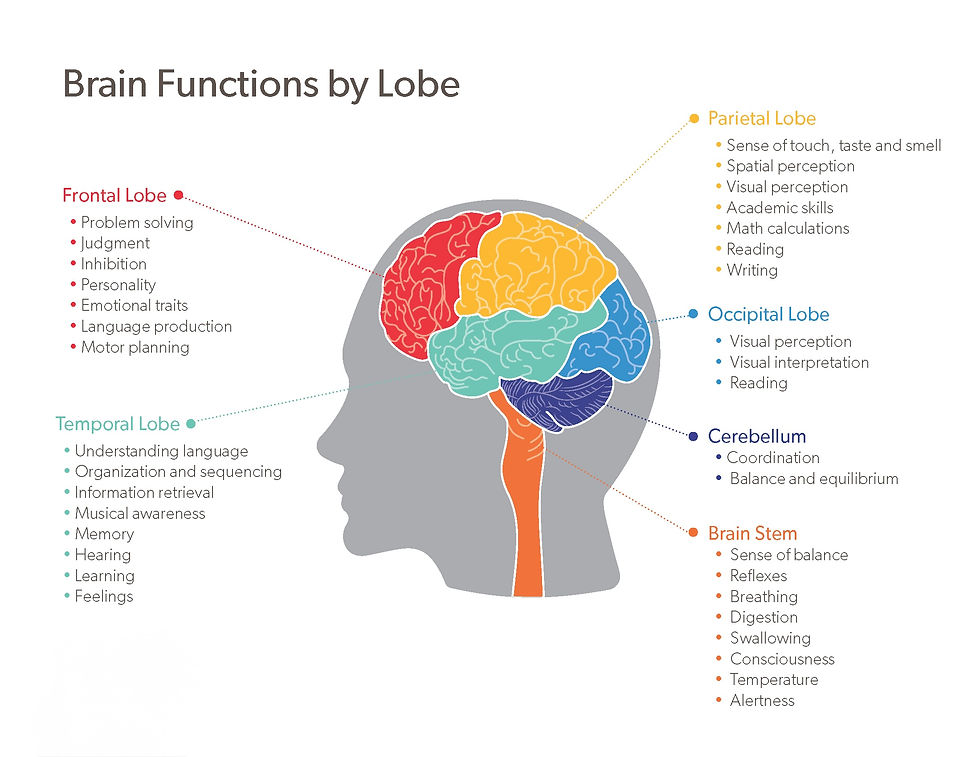
Differences in how the brain processes emotional information
Childhood environments where emotions were rarely discussed or validated
Trauma or prolonged stress
Neurological differences or brain injury
Alexithymia is also commonly discussed alongside certain conditions, including:
Autism spectrum condition
Depression
Post-traumatic stress
Traumatic brain injury
It is important to note that alexithymia itself is not a mental illness, but a personality trait or emotional processing style.
Alexithymia and Relationships
One of the biggest challenges associated with alexithymia is its impact on communication and relationships.
When someone finds it difficult to identify or express emotions, others may interpret this as emotional distance or lack of empathy. In reality, the person may be experiencing emotions strongly but struggle to recognise or explain them.
This can lead to misunderstandings such as:
Partners feeling that someone is emotionally unavailable
Difficulty resolving conflict due to unclear emotional communication
Challenges recognising personal emotional needs
Increasing awareness of alexithymia can help partners, families, and professionals respond with greater understanding.
How Common Is Alexithymia?
Research suggests that alexithymia may affect around 10% of the population, although milder traits may be even more common.
Because emotional awareness varies widely between individuals, some people experience only mild difficulty recognising emotions, while others find it significantly challenging.
Can Alexithymia Improve?
Although alexithymia is often described as a stable personality trait, emotional awareness and emotional literacy can improve over time. Several approaches may help people develop greater emotional understanding.
Therapy and Psychological Support
Talking therapies can help individuals learn to recognise emotional patterns and develop language for describing feelings.
Emotional Awareness Training
Exercises that connect body sensations with emotions can help people begin identifying what they are feeling.
Mindfulness and Self-Reflection
Mindfulness practices encourage individuals to observe thoughts, sensations, and emotions more closely, which can improve emotional awareness.
Learning Emotional Vocabulary
Developing a broader emotional vocabulary can make it easier to describe experiences and communicate feelings.

Why Understanding Alexithymia Matters
Greater awareness of alexithymia and emotional processing difficulties can help reduce stigma and misunderstanding. When someone struggles to describe their emotions, it does not mean they lack feelings. Instead, it reflects a difference in how emotional information is recognised and expressed.
Understanding alexithymia can improve communication, support mental wellbeing, and strengthen relationships by recognising that emotional awareness is not the same for everyone.
Book Oliver McGowan Mandatory Training with Train Direct
At Train Direct, we deliver approved Oliver McGowan Mandatory Training to organisations across the health and social care sector.
Our training includes:
Tier 1 Oliver McGowan Training
Tier 2 Oliver McGowan Training
Delivery for adult social care providers, NHS organisations and charities
Experienced approved trainers
Guidance on accessing available funding
If your organisation needs to deliver Oliver McGowan Training before the March 2026 funding deadline, we can help you plan and deliver training efficiently.
The Oliver McGowan Mandatory Training on Learning Disability and Autism Tier 2 - From £89.00 per person | £1499.00 for a group of up to 30 - click here for more info
If you would like tailored advice or want to book health and social care training for your organisation, then visit www.traindirect.co.uk to learn more or contact our team to discuss your training requirements.
tel. 0330 223 5596,
email. info@traindirect.co.uk
or complete the form on our homepage to request a call back.


Comments